

Hair loss is a concern that affects millions of people worldwide. While it’s natural to shed several strands each day, excessive hair loss can signal an underlying issue. Understanding the causes and learning how to address them can help prevent further hair loss or minimize its effects.
Below, we explore the main causes of hair loss and share practical tips for managing it.
Main Causes of Hair Loss
1. Genetics (Androgenetic Alopecia)
The most common cause of hair loss is androgenetic alopecia, also known as male or female pattern baldness. This inherited condition is linked to the sensitivity of hair follicles to androgen hormones, leading to progressive thinning over time.
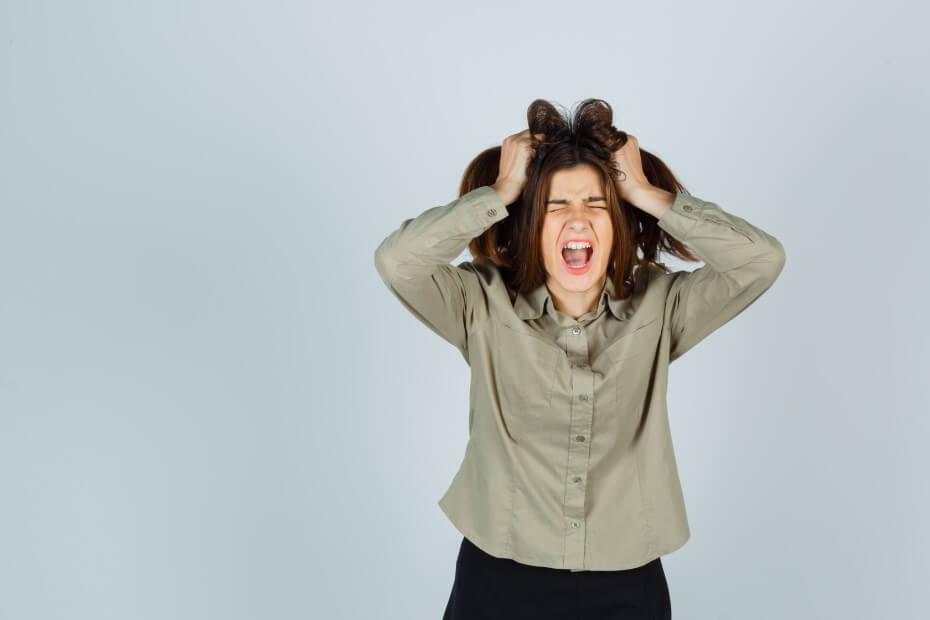
2. Stress and Emotional Disorders
Stress can trigger a condition called telogen effluvium, where hair follicles prematurely enter the resting phase. This often results in temporary but noticeable shedding.
3. Hormonal Imbalances
Hormonal changes due to pregnancy, menopause, thyroid disorders, or other medical conditions can disrupt the hair growth cycle and contribute to hair thinning.
4. Nutritional Deficiencies
A lack of essential nutrients—such as iron, zinc, B-complex vitamins, and protein—can weaken hair follicles and increase hair shedding. Balanced nutrition plays a vital role in maintaining strong hair.
5. Medical Conditions and Medications
Autoimmune disorders like alopecia areata, scalp infections, and certain medications (including treatments for depression or hypertension) may cause hair loss.
6. Physical Hair Damage
Frequent heat styling, harsh chemical treatments, and tight hairstyles can weaken the hair shaft and lead to breakage or traction-related hair loss.
Tips to Manage and Prevent Hair Loss
1. Follow a Nutrient-Rich Diet
Include foods rich in iron, zinc, omega-3 fatty acids, and vitamins A, C, and E. Leafy greens, fruits, nuts, seeds, and fatty fish can help nourish hair from within.

2. Manage Stress Levels
Incorporating relaxation practices such as yoga, meditation, or breathing exercises can help reduce stress-related hair shedding.
3. Maintain a Gentle Hair Care Routine
Choose shampoo and conditioner tailored to your hair type and avoid overwashing. Be gentle when brushing, especially when hair is wet, and limit the use of hot tools.
4. Seek Professional Advice
If hair loss continues or worsens, consult a dermatologist or trichologist to determine the exact cause and receive personalized treatment.
5. Avoid Tight Hairstyles
Minimize tension on the scalp by avoiding tight ponytails, braids, or buns that can weaken hair follicles over time.
6. Consider Supplements and Topical Solutions
Hair-supporting supplements such as biotin may help in some cases. Topical treatments like minoxidil are also commonly used to stimulate growth. Always consult a healthcare provider before starting any treatment.
7. Protect Hair from Environmental Damage
Wear hats or use UV-protective hair products when exposed to the sun. Limit contact with harsh chemicals like chlorine in pools.
8. Eliminate Harmful Habits
Smoking and excessive alcohol consumption can impair blood circulation to the scalp, reducing nutrient delivery to hair follicles and contributing to hair thinning.
Hair loss can be frustrating, but with a proactive approach and proper care, you can reduce its impact and support healthier hair growth. Identifying the root cause is essential for choosing the right solution.
At Foriu, we believe that a healthy lifestyle benefits not only your hair but your overall well-being.