

Rosacea is a common skin condition that affects millions of people worldwide. It is characterized by persistent redness, usually on the cheeks, nose, forehead, and chin, and in some cases may include acne-like bumps. Although there is no cure, with proper care and the right products, it is possible to manage symptoms and maintain healthy-looking skin.
In this article, we explore the causes, care routine, and essential tips for rosacea-prone skin.
What Is Rosacea?
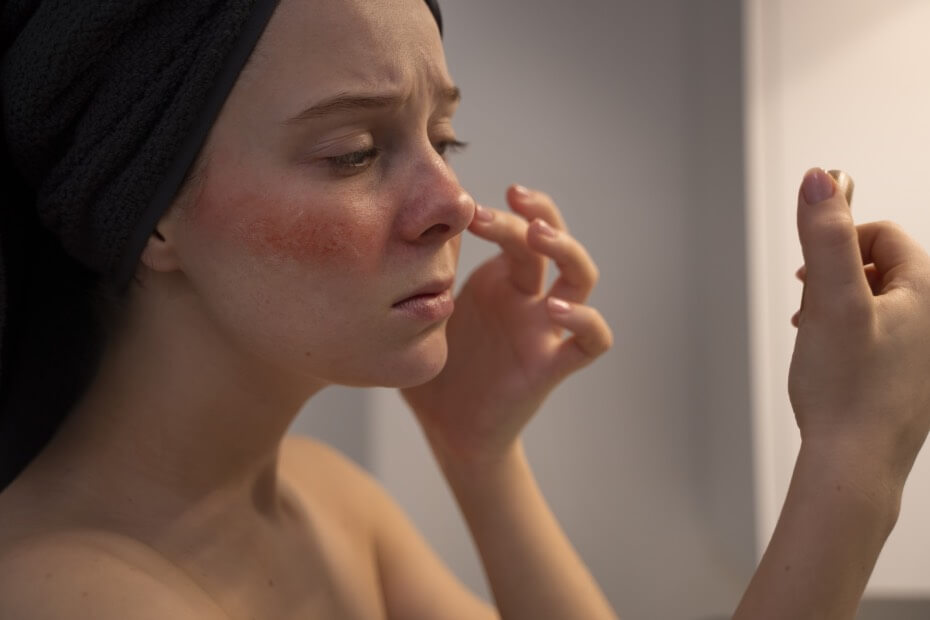
Rosacea is a chronic inflammatory skin condition that can range from mild redness to more severe irritation. It is more common in people with fair skin, but it can affect all skin tones.
The most common symptoms include:
-
Persistent redness in the central areas of the face
-
Visible blood vessels (telangiectasia)
-
Acne-like bumps (which are not true acne)
-
Sensitive skin that reacts easily to products or climate changes
Causes and Triggers
Although the exact cause of rosacea is not fully understood, genetic, environmental, and immune factors are believed to play a role. Certain triggers can worsen symptoms, including:
-
Temperature changes: Exposure to extreme heat or cold
-
Food and beverages: Spicy foods, alcohol, and hot drinks like coffee
-
Stress: Emotional stress can aggravate flare-ups
-
Irritating products: Certain cosmetic or skincare ingredients
-
Sun exposure: UV radiation is one of the most common triggers
Identifying and avoiding personal triggers is key to managing rosacea effectively.
How to Care for Rosacea-Prone Skin
If you have rosacea, it’s essential to follow a gentle and personalized skincare routine. Here are some practical tips:
-
Gentle cleansing: Choose fragrance-free cleansers formulated for sensitive skin. Avoid sulfates, as they can dry and irritate the skin.
-
Wash your face with lukewarm (never hot) water and pat dry gently with a clean towel.
-
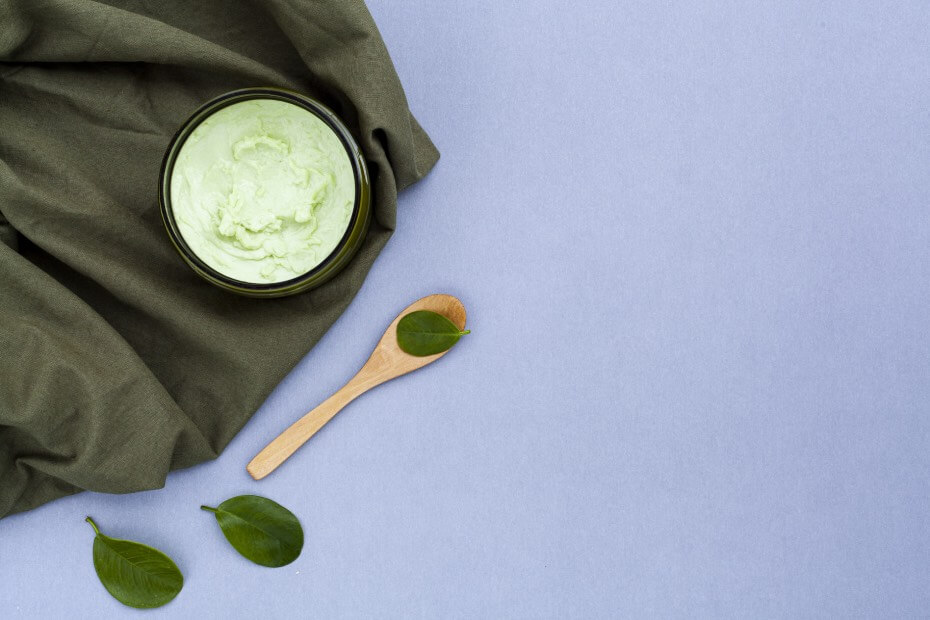
Proper hydration: Use moisturizers designed for sensitive skin. Look for soothing ingredients such as aloe vera, niacinamide, and ceramides.
-
Sun protection: Sunscreen is essential to prevent flare-ups. Choose mineral formulas containing zinc oxide or titanium dioxide, as they are less irritating. Use SPF 30 or higher daily—even on cloudy days.
-
Anti-inflammatory products: Serums or creams with calming ingredients like licorice extract, green tea, or centella asiatica can help reduce redness and irritation.
Makeup Tips for Rosacea-Prone Skin
Makeup can be a helpful tool to reduce the appearance of redness caused by rosacea. However, choosing the right products and applying them properly is essential to avoid irritation.
-
Prep your skin: Make sure your skin is clean and hydrated before applying makeup. Use a soothing primer to reduce redness and create an even base.
-
Green color corrector: Green-tinted concealers help neutralize redness. Apply a small amount to affected areas and blend gently.
-
Foundation: Choose liquid or cream foundations formulated for sensitive skin. Look for fragrance-free and non-comedogenic options.
-
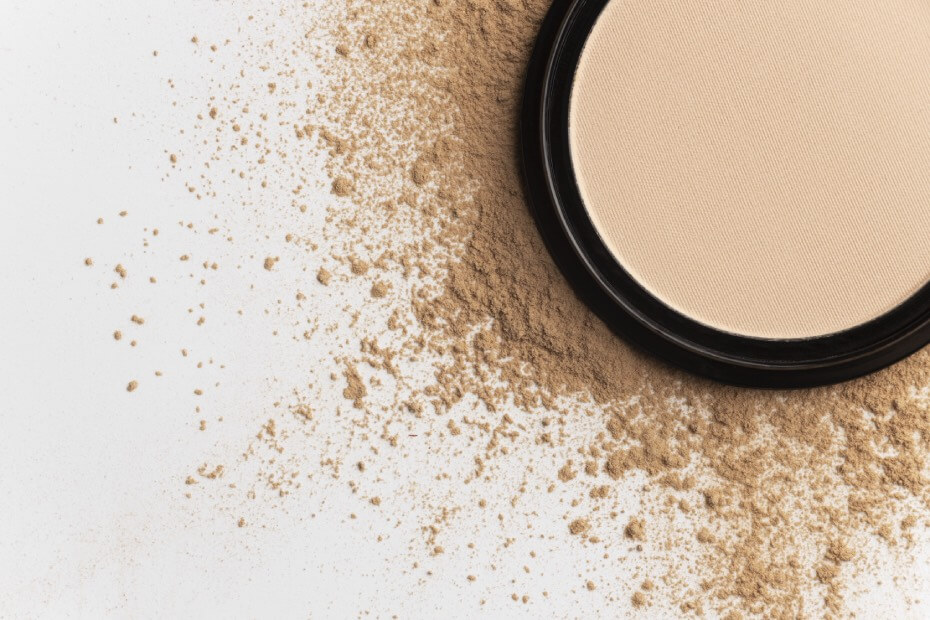
Loose powder: Use a lightweight translucent powder to set makeup without adding heaviness. Avoid talc-based formulas if your skin is highly sensitive.
-
Eye and lip makeup: Keep eye makeup soft and balanced to avoid drawing attention to facial redness. A bold lipstick, such as red or berry tones, can shift focus and create visual balance.
When to See a Dermatologist
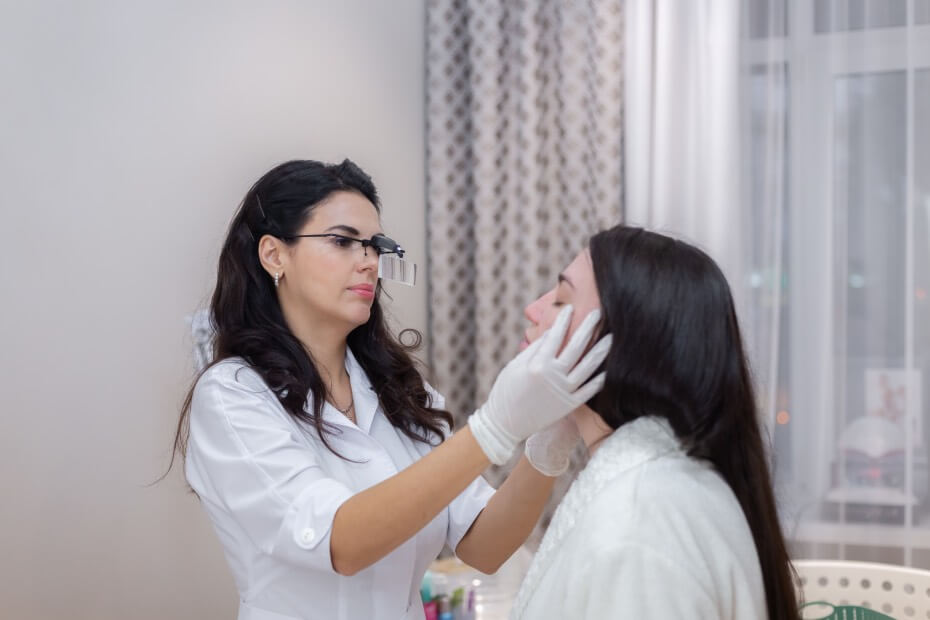
If your rosacea symptoms worsen or over-the-counter products do not seem effective, consult a dermatologist. Medical treatments, including topical medications and laser therapy, can help manage the condition.
Rosacea does not have to limit your confidence or beauty routine. With proper care and carefully selected products, you can maintain healthy skin and achieve makeup looks that enhance your natural beauty.
At Foriu, we understand the importance of personalized care and offer makeup services tailored to every skin type and need. Dare to glow—even with rosacea.